
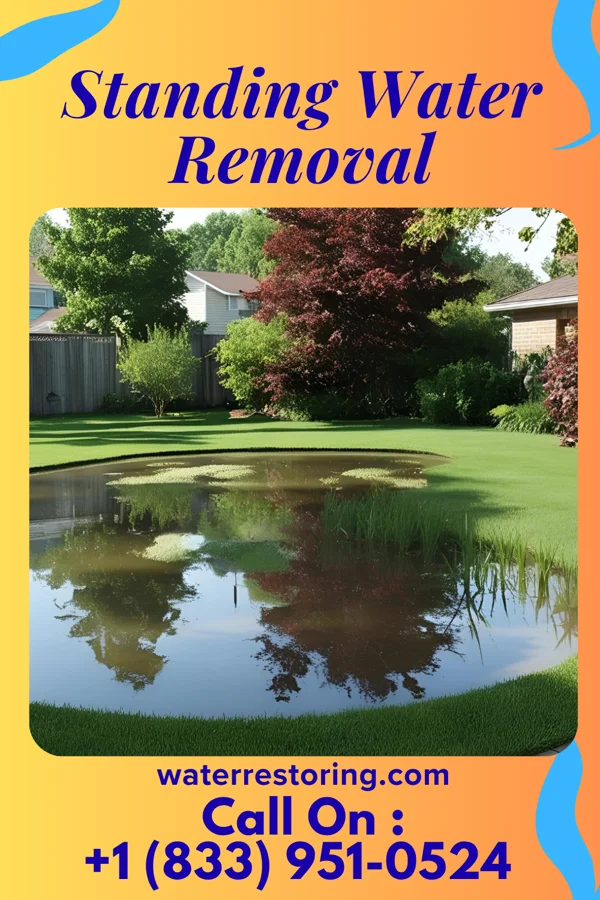
Why Banks Lake South Standing Water Demands Fast Removal
Most water damage emergencies in Banks Lake South start with Banks Lake South is prone to water damage due to its proximity to Banks Lake and the surrounding rural terrain, which can lead to sudden flooding from heavy rainfall or snowmelt. Additionally, the area's low-lying regions and lack of extensive drainage systems increase the risk of standing water accumulation during seasonal storms.. A close second is Secondary causes include seepage from nearby water sources like Wilson Creek, as well as leaks from aging infrastructure such as irrigation systems and residential plumbing. The rural nature of the area also means limited access to immediate emergency services, exacerbating the impact of water damage.. From the second water touches the property, every minute changes what gets saved and what gets ripped out.
The region experiences a semi-arid climate with dry summers and wet winters, leading to periodic heavy rainfall that can overwhelm local drainage. This climate pattern increases the likelihood of flash flooding and prolonged standing water, especially in areas near the lake and creek systems.
Most standing water removal calls in Banks Lake South come from Banks Lake South is prone to water damage due to its proximity to Banks Lake and the surrounding rural terrain, which can lead to sudden flooding from heavy rainfall or snowmelt. Additionally, the area's low-lying regions and lack of extensive drainage systems increase the risk of standing water accumulation during seasonal storms.. Running a close second is Secondary causes include seepage from nearby water sources like Wilson Creek, as well as leaks from aging infrastructure such as irrigation systems and residential plumbing. The rural nature of the area also means limited access to immediate emergency services, exacerbating the impact of water damage.. Local mold risk: Mold growth can occur rapidly in the humid conditions following water damage in Banks Lake South, especially in rural homes with limited ventilation. Prompt action is critical to prevent long-term structural and health issues.